

Taking Root
The Nature of Reading Newsletter | Spring | June 14, 2026

Dear readers,
Hello once again, and hello to all of our new subscribers from the NJ Bookstore Crawl and beyond! If you enjoy somewhat frazzled ramblings, nature book recommendations, and behind the scenes looks at the beauty and mild chaos of running a bookstore, you’ve come to the right place.
I need to start with an earnest and profound thank you: the support you all have shown the shop in the last few weeks has truly blown me away. Through the NJ Bookstore Crawl and beyond, I met so many wonderful readers and heard just the kindest things about the shop and all I’ve poured into it.
I’m so grateful to have had the privilege of making a space where people can come and feel calm and safe surrounded by the manifestations of our shared love of nature, books, and crafts, where people can talk about their own eco-journeys without fear of judgement and discuss our collective hope for a better future.
Thank you to the countless new customers who have visited the shop this month, and thank you to all the returning readers who have shown The Nature of Reading such loyal and kindhearted support for all these years. I truly would never have gotten to this point without you all.
A new energy shimmers at the shop—it’s as though I can feel the roots spreading beneath the floorboards, anchoring us to this place and sending out signals for others who care deeply for each other and our planet to stop by. As always, I’m filled to the brim with ideas of what else I’d like to do with the shop and the space, and now as we enter the summer months and a quieter event period for us, it seems like the perfect time to dig deep and bring further magics to the surface.
But that’s looking forward—first, I’d love to look back and show you some of the busy weeks we’ve had at the shop since I last wrote to you.
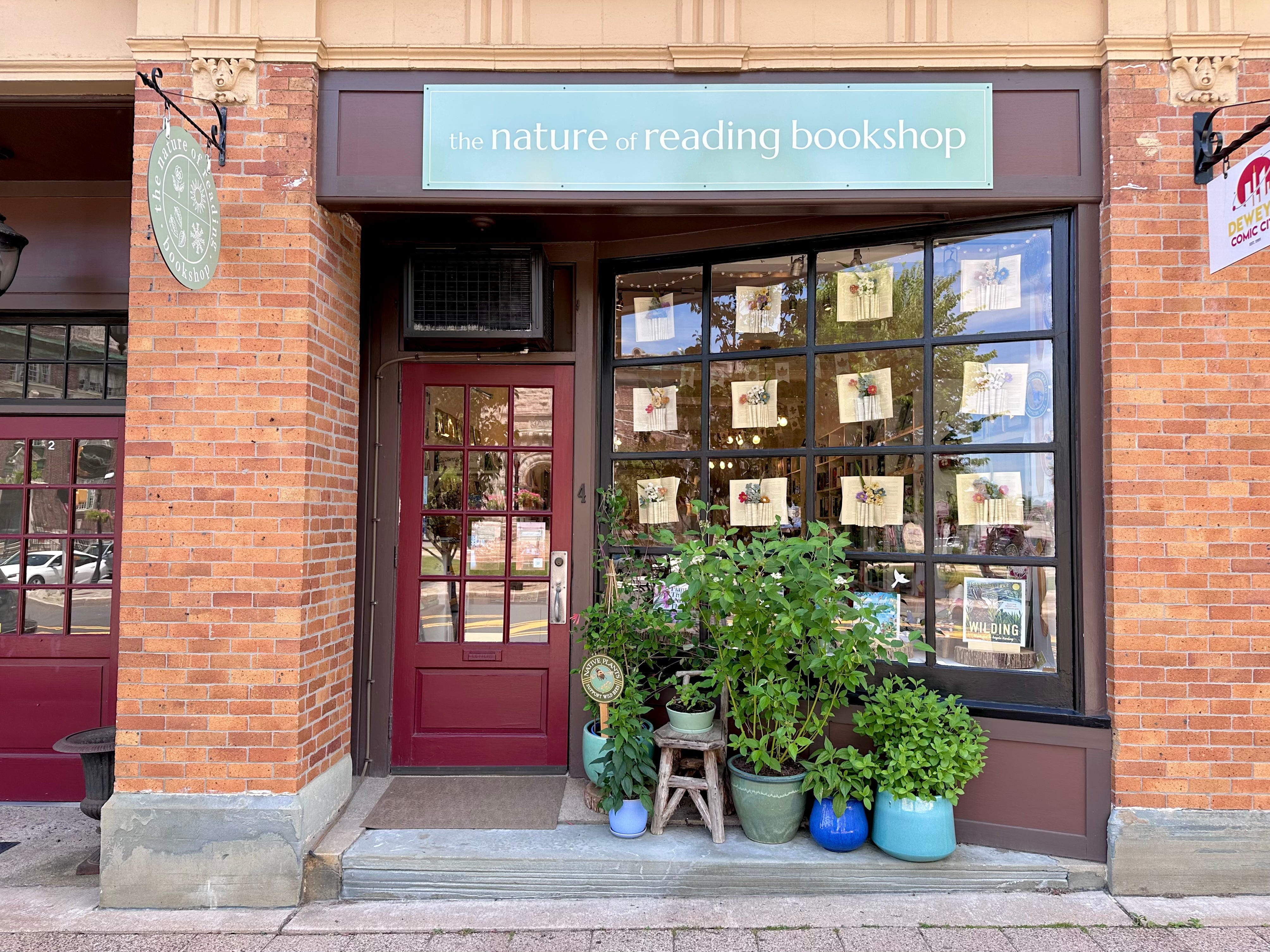
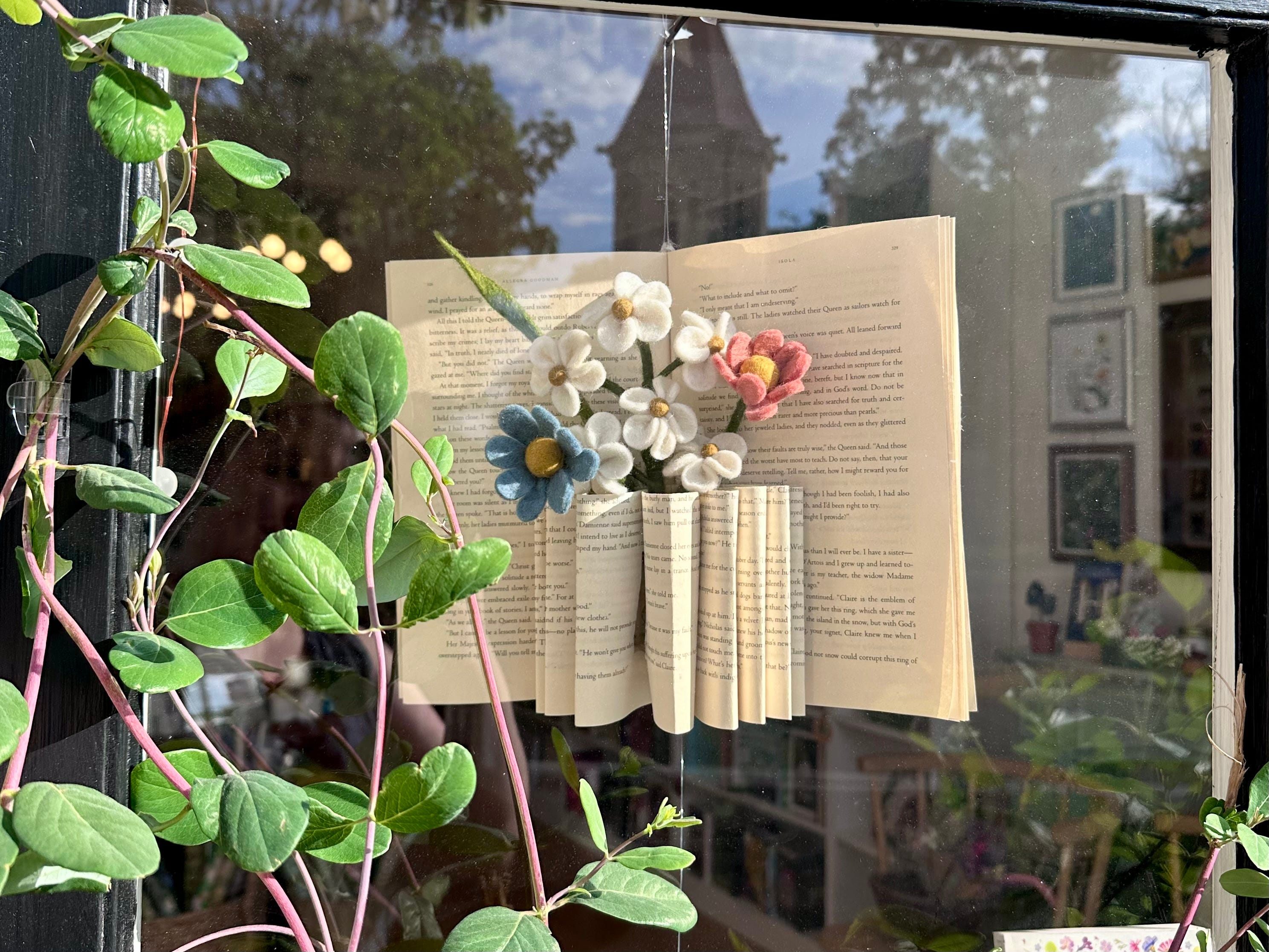
Knowing that people would be traveling from all over the state to visit the shop during the NJ Bookstore Crawl, we wanted to put our best face forward. Thankfully the native plants in front of the shop have been thriving since we filled their pots a couple months back—it’s our own little garden right outside the door. Then, I filled the window’s book vases with the sweetest felt flowers, with the hope that their bright colors would draw the eyes of passerby. (How lovely it has been to look out the window and see so many people stopping to take photos of the shop and saying the nicest things to each other!)


The Bookstore Crawl was also good motivation for me to get several projects done that I’d been meaning to bring to life for a while. Filling the walls with prints, birdhouses, and native plant signs has added much joy and color to the space.
During the Bookstore Crawl itself, I never managed to snap any photos of our wonderful visitors, but here are some pictures my mom took when she stopped by to drop off some lightbulbs after an emergency run (our savior!).


Saturday of the Crawl was our busiest day ever at the shop, and I couldn’t have asked for better, more curious and kinder visitors than those I met that day.
After three long days at the crawl, we had another amazing event with the Madison Environmental Commission, a celebration of trees and forests in honor of Suzanne Simard’s new book, When the Forest Breathes.


It was one of my favorite events yet, with fascinating presentations from Kirsten Wallenstein about the Madison Conservation Forest and from Susan Landau about creating your very own pocket forest in your yard.
If you’d like to receive the resources from this presentation, just reply to this email and we’ll add your name to the list for when we send out the resource email next week (if you had already registered for the event, there’s no need to let me know—we’ve got your email on our list!).
The prep for the talk and especially the Bookstore Crawl were all I could think about for weeks leading up to them, so much so that I can’t believe we’re now halfway through June! As the solstice approaches and summer sinks in, I’m looking forward to slowing down a bit and perhaps even taking some time off (though it’s so hard for my mind to leave the shop even when we travel!).
Because time snuck up on me, we won’t be having a crafting event this month, but we’ll be back to our regular routine in July. Thank you for bearing with me! We still have two amazing book club meetings scheduled for June though—you can learn more about them below.
Thank you all for being here and reading this newsletter, and I hope to see you soon at the shop. Oh! Also, we now have our summer hours: we’re open Tuesday - Friday 10am-6pm, Saturday 10am-5pm, and Sunday 11am-4pm.
One last housekeeping note: we’ll be closed on Sunday, June 21st for Father’s Day. You’ll hear from me next at the end of the month for a roundup of the last days of June and all you can expect in July.
I hope you have a lovely, sunny Sunday!
All best wishes,
Hailey

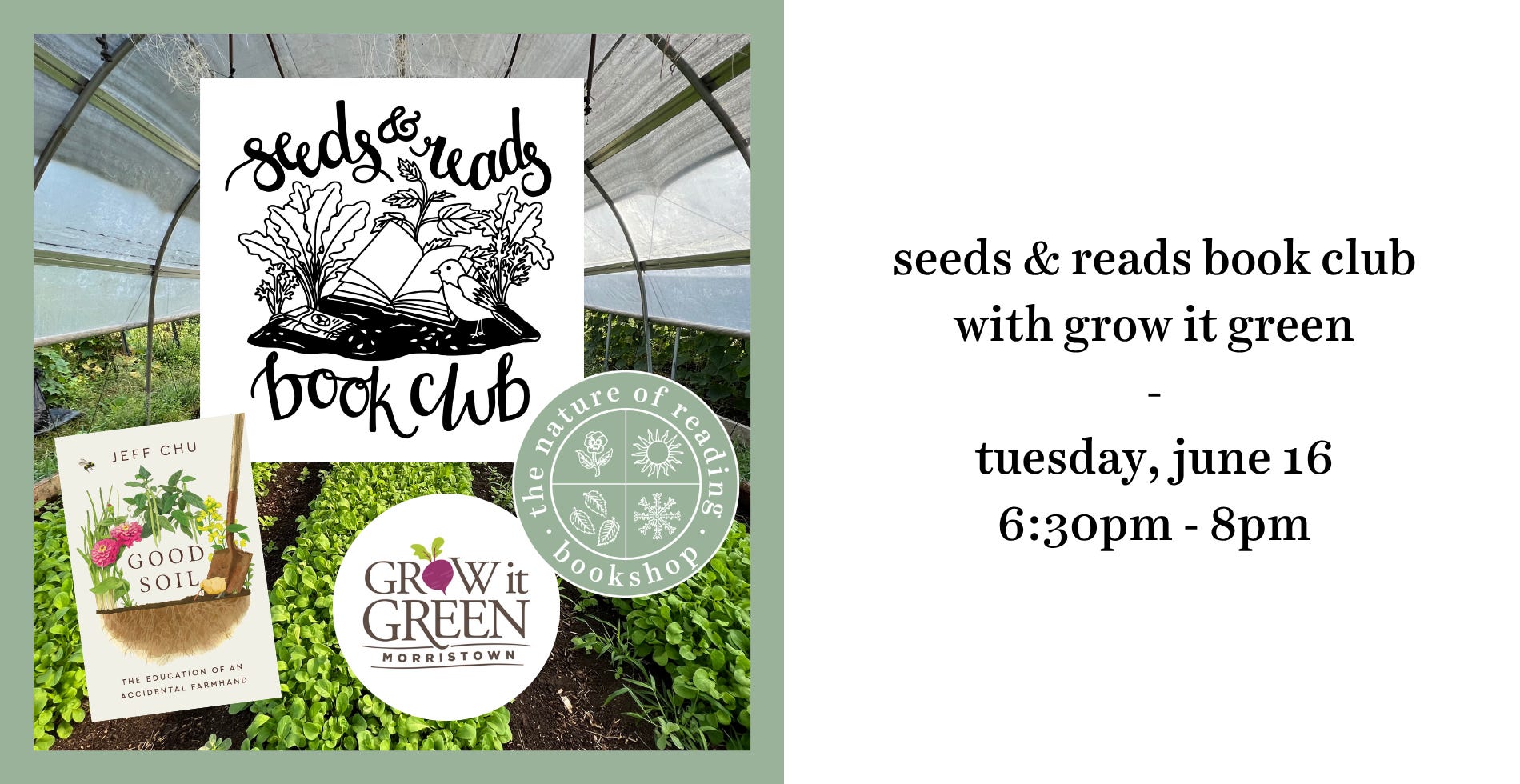
We're so excited to partner with Grow it Green Morristown to offer a new seasonal book club: Seeds & Reads! Seeds & Reads focuses on building community and fostering environmental education through a shared love of books, nature, sustainability, and regenerative agriculture. Each season, we'll read a new book that touches upon one or more of these topics. The book club will meet once a quarter, often near the solstice or the equinox. If you love reading, gardening, farming, or just meeting kind-hearted people within Morris County & beyond, we hope you'll join us. The book club is free and open to all, no purchase necessary—we just ask that you sign up here in advance so we know how many people to expect. Our first book is Good Soil by Jeff Chu, a “profound meditation on nature, heritage, and belonging, from an accomplished journalist who left New York City for life on a working farm.” If you’d like to buy a copy through us, you can do so here. Either way, we’d love for you to join us to discuss this beautiful book.
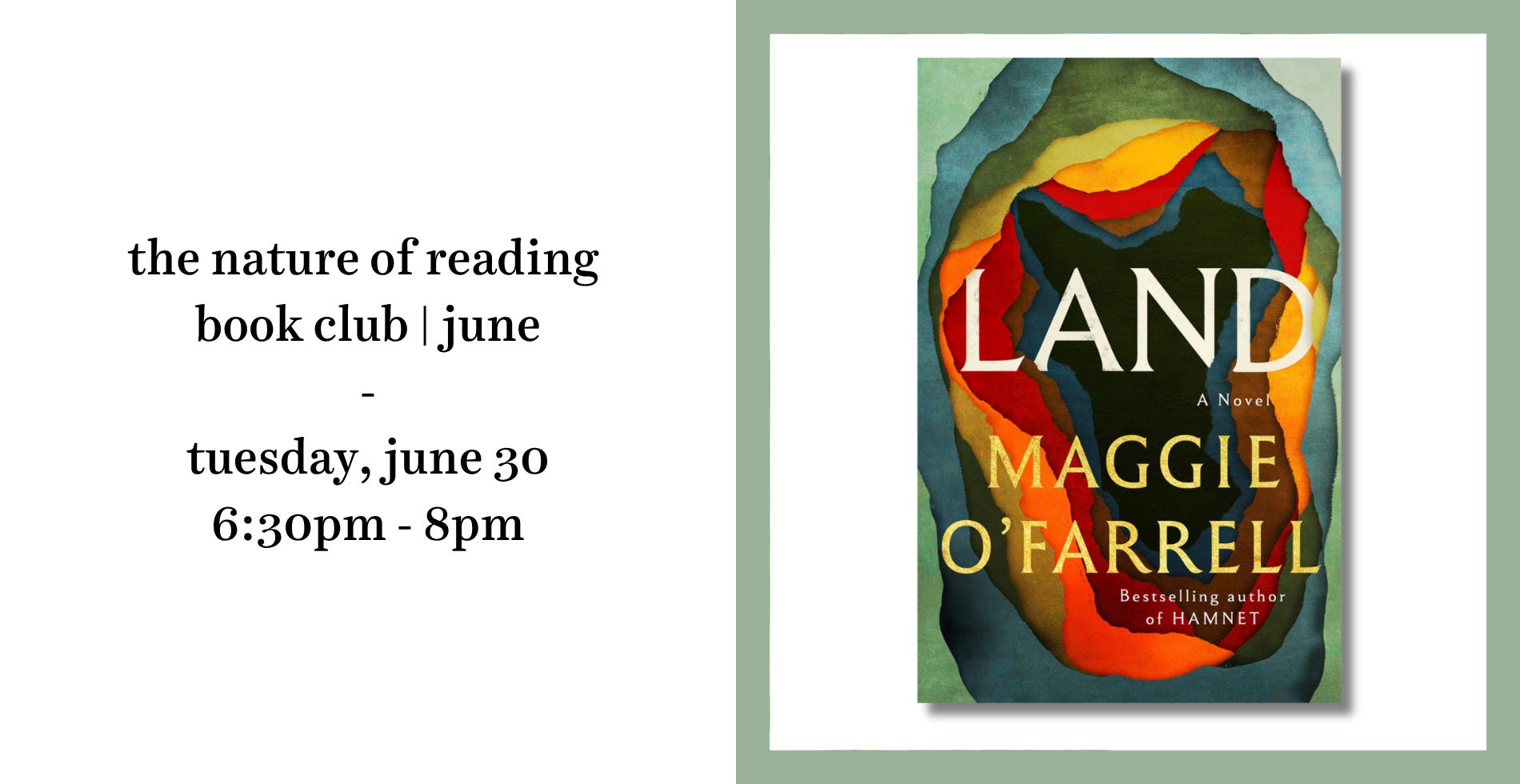
This month’s much-anticipated book club pick is Land by Maggie O’Farrell. Set in Ireland primarily in the years following the Great Hunger, you can always expect the best from Maggie O’Farrell: beautiful writing, complex, deeply human characters, and gorgeous descriptions of the natural world. We hope you’ll join us to discuss this stunning novel - you can get your ticket here.



The Milkwood Permaculture Living Handbook is your guide to improving your home, health and happiness – and the planet – one simple step at a time.
Packed with practical skills and projects, it’s regenerative living for busy people who want to make a positive impact in a world out of balance. Discover how simple changes to your every day can make a big difference. Maybe it’s decluttering your home, growing sprouts on your windowsill, connecting with your community or taking on a locavore mini-challenge. Maybe it’s going waste-free or falling in love with compost. Inspired by the life-affirming principles of permaculture, all 60 habits will help you reconnect with your ecosystem, save money and celebrate sustainable living. Wherever you start, this book will help you change your lifestyle in small but significant ways – one powerful, practical habit at a time – towards a resilient, abundant life and a hopeful future for all.
How do we live in the age of disaster? In this updated and expanded guide to collective crisis preparedness, Kailea and Kate, organizers and coeditors for the book and magazine publisher Loam, share community-shaped strategies on how to practically navigate the challenges posed by overlapping catastrophes—be they environmental, economic, political, or otherwise. Help is here for our bodies, hearts, minds, and shared homes. By amplifying resources for resilience, the authors underscore preparedness as a constant, communal practice. They offer inspiration from frontline organizers who help their communities prepare for emergencies, demonstrate how to envision probable futures after upheaval, and showcase people-powered projects that nurture collective regeneration. With engaging prompts, concise checklists, and heartfelt advice, Compassion in Crisis helps its readers build and sustain the durable mutual aid networks necessary for rapid response in the face of disaster. This is your invitation into the lifelong work of caring for our Earth and one another as we all find our way through the polycrisis.
When science writer Margie Patlak was inspirited to take a quick close-up snapshot of a bee in her backyard, it was the start of a years-long obsession with cataloging and understanding the tiny creatures that were all around her. The essays in her book showcase the superpowers, alien anatomies, and striking untold behaviors and thinking abilities of bugs hidden in plain sight in backyards, parks, gardens, and even in the flowerpots that dot city courtyards and balconies. Each essay focuses on a specific bug and explores the big ideas these little bugs raise, such as whether the maternal instinct is truly instinctual, the value of a short life, whether to blend in or alter your environment, and whether you can have altruism without tribal atrocities. But what perhaps makes Insect Safari the most intriguing is its reporting on the plethora of recent scientific findings revealing there’s more to the inner lives and behaviors of insects than people ever thought possible. Who knew wasps use tools and recognize faces, bees play with balls and do math, ants invented farming way before we did, and even fruit flies mull over their mating choices? These findings reinforce the notion that we aren’t the only intelligent beings on Earth and tap into people’s curiosity about the alien life right here on their own planet.

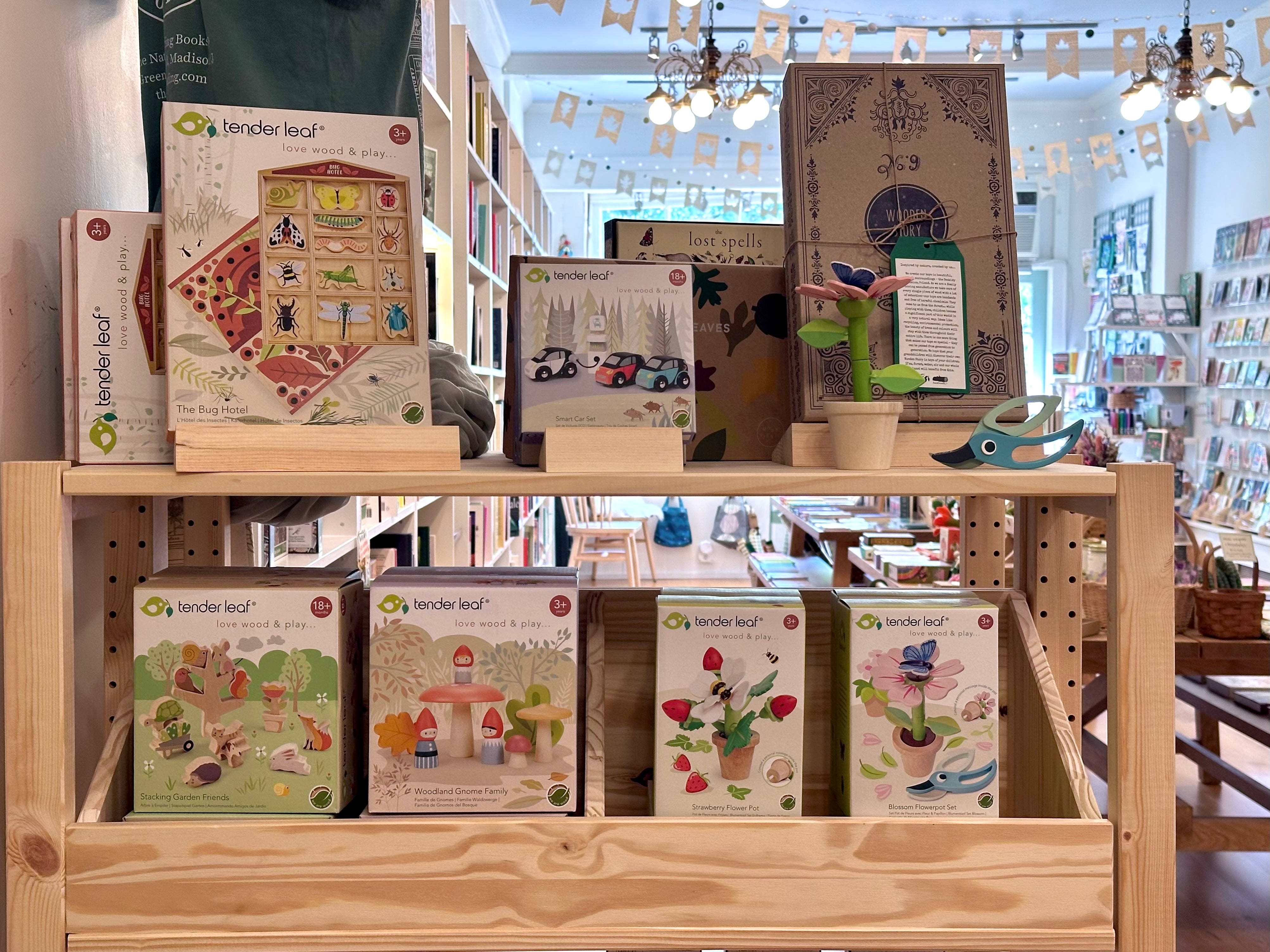
Just in time for the Bookstore Crawl, we set up these new shelving units that divide the kids’ area from the rest of the shop. They made the perfect spot to display these beautiful wooden toys from Tender Leaf. They’re some of my favorite things we’ve added to the shop in the past few months and I’m happy we can highlight them more in the storefront now and I can share them with you in this newsletter!


All of the toys are so beautiful, but I especially love this little smart car set - we’ve never had anything car-related at the shop before, but as EV owners/lovers I was so excited to see these sweet little wooden EVs. The strawberry pot is also too sweet to bear, and don’t even get me started on the Timber Taxi! Stop by the shop to check out the full range of wooden toys we carry, or shop Tender Leaf toys on our website by clicking here.

Last month for book club we read David George Haskell’s How Flowers Made Our World. One of the things that has stayed with me the most since finishing the book is how the beautiful cut flowers on the shelves at grocery stores are almost always flown in from distant countries around the world with little regulation on the pesticides and harmful chemicals used in their growing. While there is still a place for the beauty and ubiquity of these cut flowers, I’m so looking forward to trying to grow more of our own cut flowers at the community garden plot this year. These are some of the books we carry that you can use to plan your own cut flower garden.


The Cut Flower Garden is a delightfully illustrated guide to growing your own beautiful flowers all year round. Discover how to grow an assortment of floral beauties from foxgloves and hydrangeas to Japanese windflowers and cosmos—the opportunities and bouquet arrangements are endless! With musings on the meaning of flowers, advice for choosing the right size vase, and tips for making your cut flowers last longer, gorgeous posies are just a season away. A planting chart summarizing the most useful information from the flower profiles is also included, along with guidance on colors and inspiration for arrangements. With an emphasis on seasons rather than months, the book is a beautiful and practical gift for a garden enthusiast, whether they live in the northern or southern hemisphere.
In Sarah Raven’s A Year of Cut Flowers, you’ll find plenty of inspiration and practical advice such as how to choose high, medium, and low productive cut-and-come-again plants, which plants should form the backbone of any cutting patch or garden, plant rotation, and a year-round plan to achieve efficient cut flower production and ensure highest possible production from minimal space. With this information up your sleeve, you’ll have a house full of flowers and a garden that looks better—always jam-packed with color—because of your harvest.
Flowers have the power to heal, connect, and bring joy, often when we need it most. And more importantly, the best flowers are those grown with your own two hands. The Beginner’s Cut Flower Garden is the perfect book for gardeners who are dipping a toe into growing cut flowers for the first time. Gardener and therapeutic horticulturalist Elizabeth Brown offers thoughtful, step-by-step, seasonally inspired narratives, information on the flowers to grow, and more. With the poetry of a classic horticultural guide and the accessibility of a contemporary garden club, Brown brings a collaborative, welcoming spirit to the process of growing flowers: we’re all beginners here.